
Therapy for First Responders and Their Families
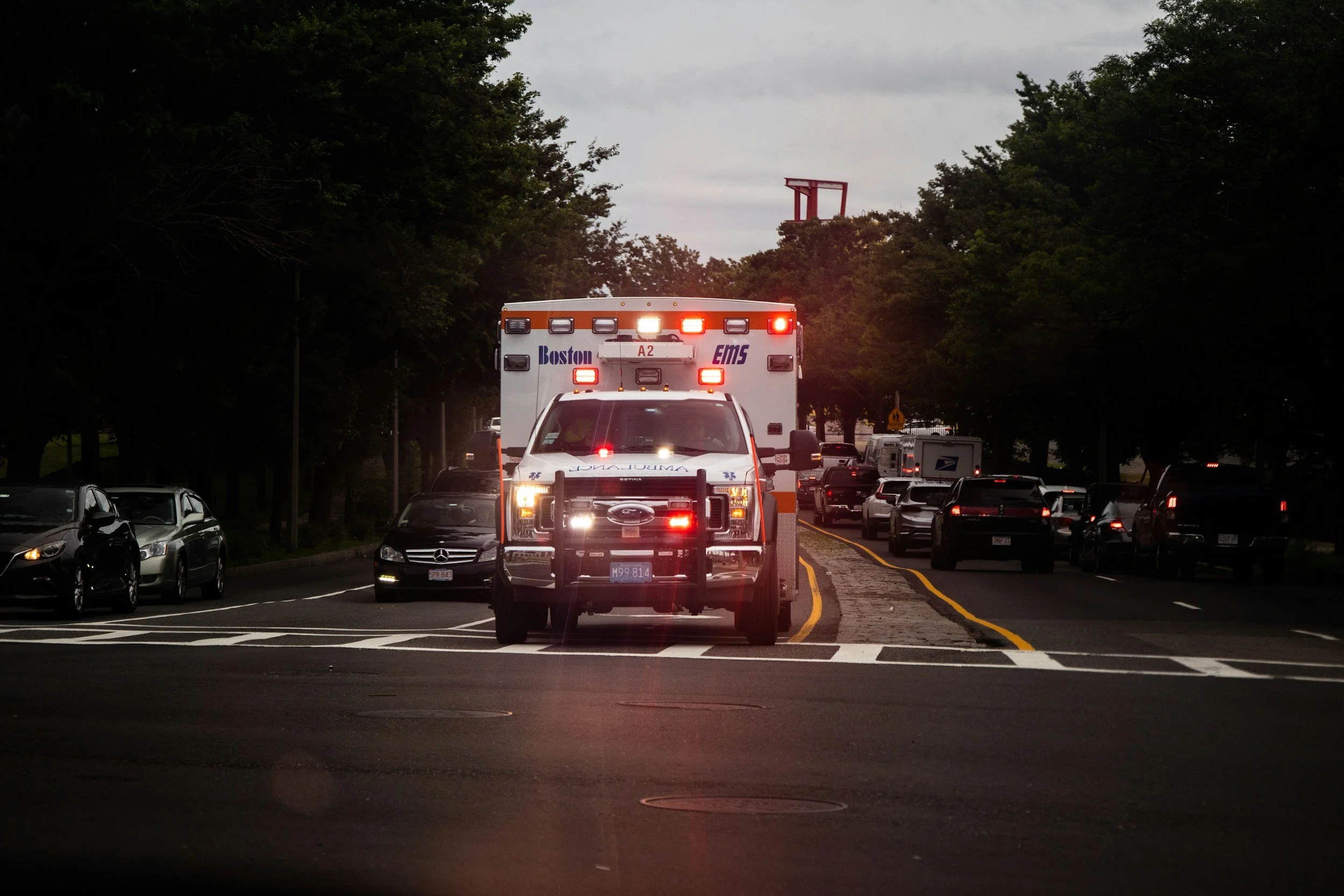
You are the one people call when everything falls apart. You hold steady in the moments most people never have to witness. And then you come home, take off the uniform, and find that the steadiness does not switch off. The scanning continues. The distance between you and the people you love feels wider than it used to. You tell yourself you are fine, because being fine is the job. This is not weakness, and it is not a flaw in your character. It is what happens to a nervous system that has spent years staying ready.
Trauma is not only a memory. It is a physiological adaptation. When you are repeatedly exposed to danger, loss, and other people's worst days, your nervous system adapts by staying prepared. That adaptation kept you effective and, at times, kept you alive. The difficulty is that the body does not automatically stand down once the threat is over. It keeps running the survival program at home, in the car, at the dinner table, in bed at two in the morning. This is why talk therapy alone, while genuinely valuable, often does not reach the root. You can understand exactly why you feel this way and still feel it in your body every day. Lasting change happens when the work reaches the nervous system directly, gently, and at a pace you control.
Why this happens in the body,
not just the mind

UNDERSTANDING THE WOUND
The cost of the work does not stay at work
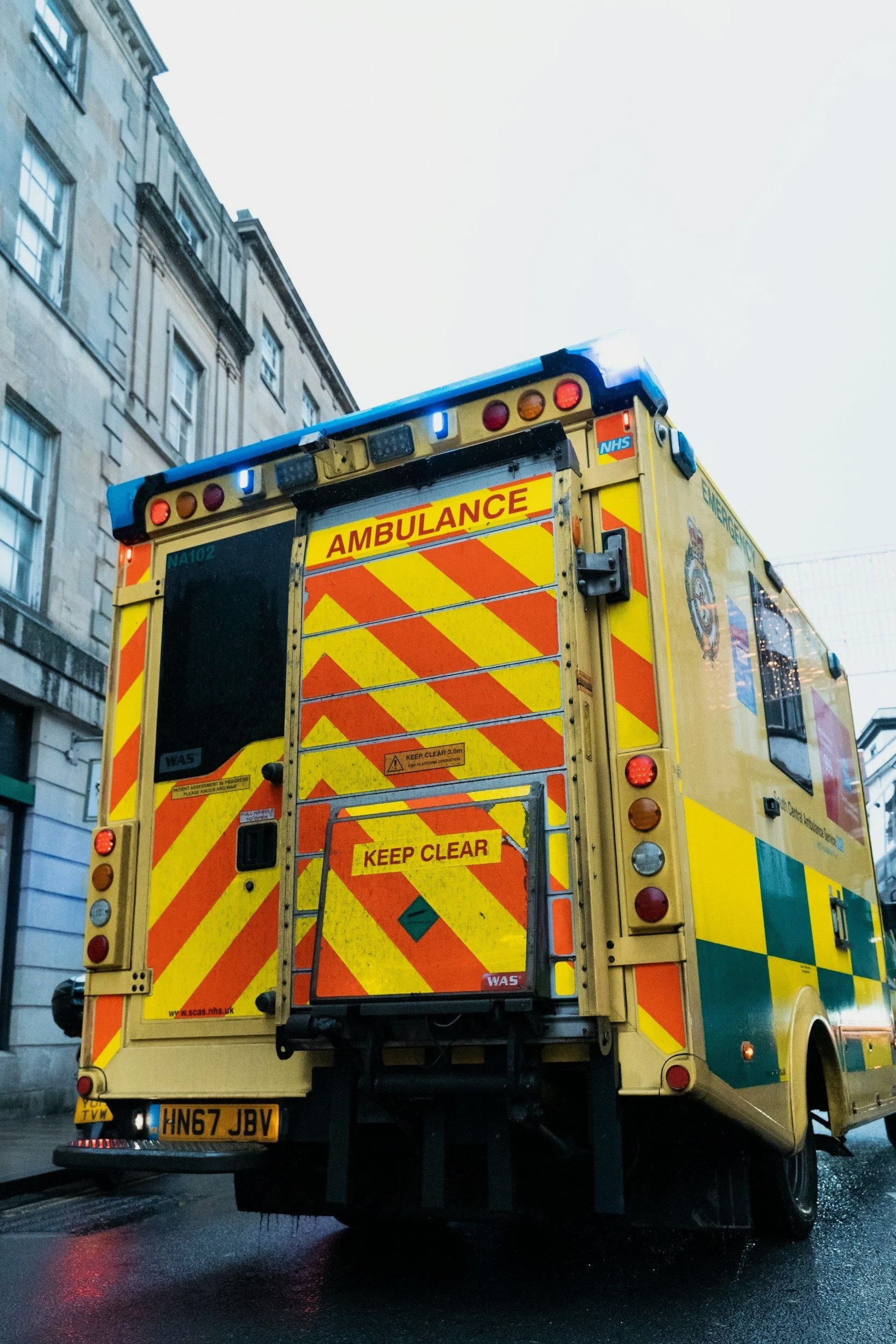
First responders carry a particular kind of trauma. It is rarely a single event. It is cumulative, absorbed shift after shift, call after call, in a culture that often has little room for slowing down and feeling it. Over time the body learns to stay alert even when there is no emergency. Sleep gets thin. Irritability rises. Emotions go quiet, or they surface at the wrong moments. Many first responders describe feeling numb to the good things and reactive to the small things, wondering where the person they used to be went. What you are describing is not a character problem. It is hypervigilance and nervous system overload, the predictable result of doing extraordinary work in a body that was never meant to run at that level indefinitely.
When the family carries it too
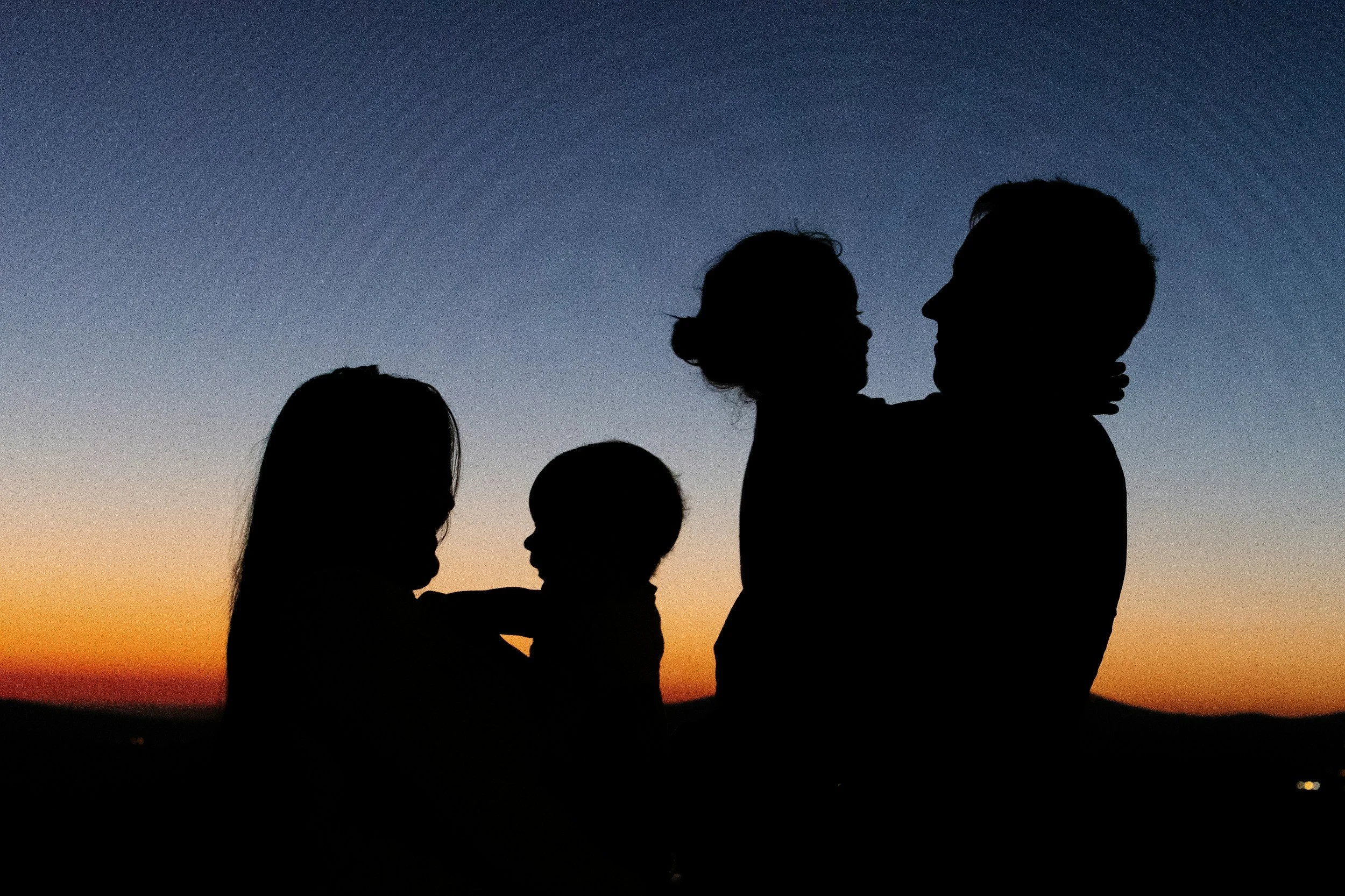
The people who love a first responder carry the work too. Spouses and partners learn to read moods, absorb the silences, and hold the household together around unpredictable schedules and an unspoken weight in the room. This is often called secondary traumatic stress, and it is real. You do not have to have been at the scene to be shaped by what your person brings home. Partners frequently arrive at therapy feeling guilty for struggling, telling themselves they have no right to be tired when they were not the one in danger. You have every right. A family adapts to trauma as a system, and a family can heal as one too. This page is for the responder and for the people beside them.
How we work with first responders

Holistic Trauma Therapy® is a depth-oriented trauma practice. We do not manage symptoms and send you back out. We help you return to yourself. The clinical arc moves from insight to embodiment to transformation. First we build understanding and, more importantly, safety. Then we work with how your body learned to survive, using somatic approaches, parts work, and, when it is the right fit and after careful assessment, EMDR. You can read more about these methods on our therapies page. The work is paced to your nervous system, never rushed, and never dependent on retelling every detail of what you have seen.
We understand that the culture of the job runs on toughness, self-reliance, and emotional suppression, and that reaching out can feel like breaking an unwritten rule. Nothing here asks you to become less capable or less strong. The goal is the opposite. When your nervous system is regulated and resourced, you are steadier on the job and more present at home. Many of the patterns first responders carry trace back further than the job itself, to earlier experiences that shaped how you handle pressure and connection. When that is true, our work in childhood and complex trauma meets it there.
Who this is for
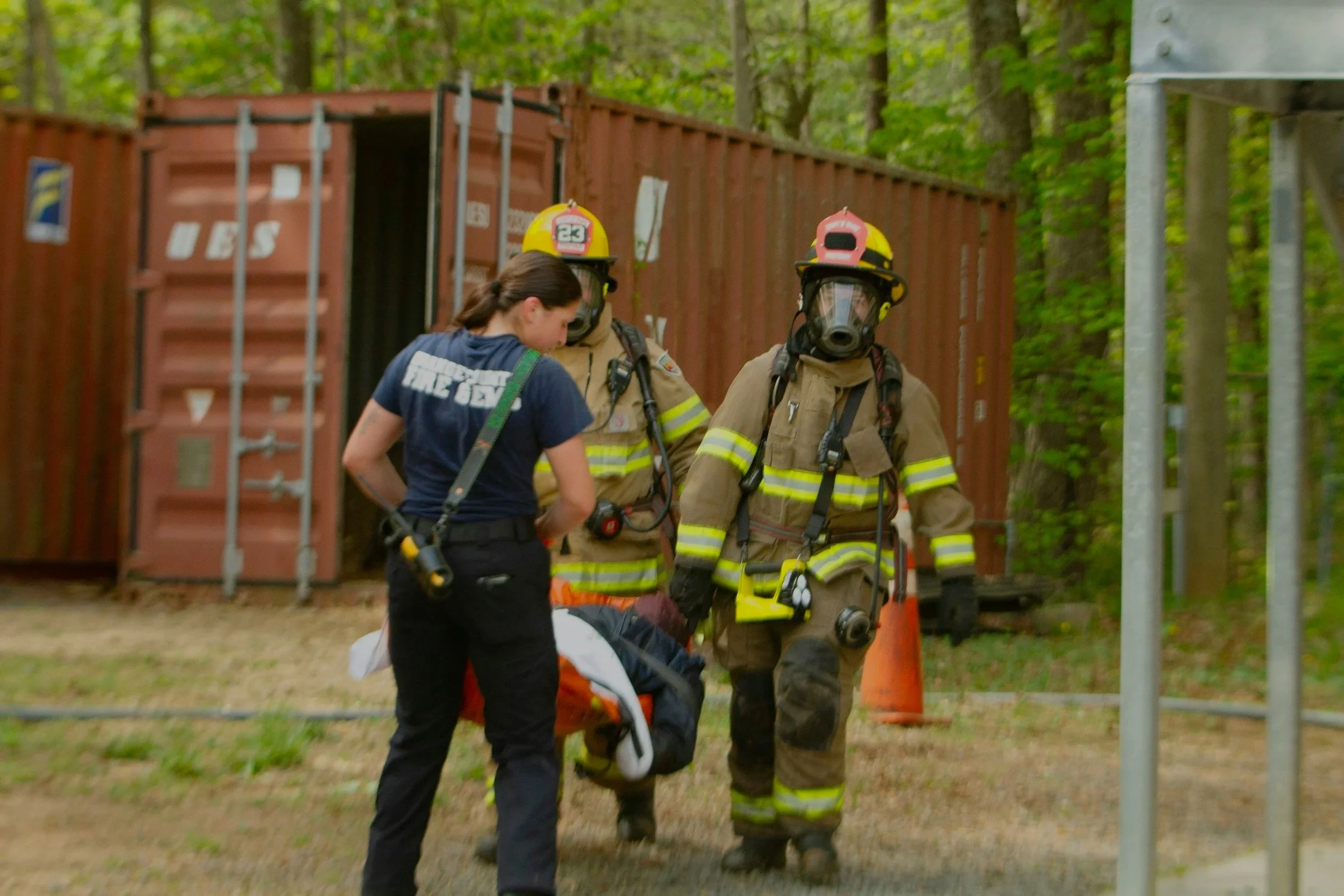
This work is for firefighters, police officers, sheriff's deputies, paramedics, EMTs, dispatchers, and search and rescue personnel, active or retired. It is also for the spouses, partners, and family members who love them and carry the quieter weight of the work. Whether you are noticing hypervigilance, emotional numbness, sleep disruption, and strain in your closest relationships, or you are simply tired of white-knuckling your way through, there is a way through that does not ask you to do it alone.
What clients may begin to experience
Over time, clients often notice the scanning ease and the body settle. Sleep can improve. The reactivity that flared at small things tends to soften. Many describe feeling present again with the people they love, able to be off duty in their own home rather than always half ready for the next call. We never promise to erase what you have carried. What the work offers is the safety, depth, and clinical support for real healing, so the past stops running your present. If you are not ready to reach out yet and want to read first, our trauma resources library is open to you.
Serving first responders across California
We see clients in person at our offices in Pasadena and Newport Beach, and virtually throughout California. Our Pasadena office serves first responders and their families across South Pasadena, San Marino, Altadena, Glendale, La Cañada, Arcadia, Los Angeles, and the greater San Gabriel Valley. Our Newport Beach office serves Orange County. Virtual therapy makes this work accessible statewide, which matters for shift workers whose schedules rarely fit a standard calendar.
Holistic Trauma Therapy® offers workplace trauma therapy in person at our Pasadena and Newport Beach office and virtually for clients throughout California — including Los Angeles, the San Gabriel Valley, South Pasadena, San Marino, Altadena, Newport Beach, Orange County, and Claremont.
Many professionals find virtual sessions allow them to access deep, specialized care without sacrificing the demands of a leadership role or a clinical schedule. For certain EMDR and somatic work, in-person sessions may be preferable — something we will discuss together based on what serves your healing best.
Pasadena, Newport Beach, & virtual therapy throughout California
Frequently Asked Questions
-
First responder trauma is the cumulative psychological and physiological impact of repeated exposure to emergencies, danger, and human suffering over the course of a career. Unlike a single traumatic event, it builds gradually and often goes unrecognized, showing up as hypervigilance, emotional numbness, sleep problems, irritability, and relationship strain. Because it lives in the nervous system, it responds best to trauma therapy that works with the body, not talk alone.
-
No. Holistic Trauma Therapy® is a private practice. We are not contracted with your department, your union, or your agency, and we do not communicate with your employer, supervisor, or peer support team without your written authorization. Because we are private pay and do not bill insurance, no diagnosis is submitted to an insurer and no third party receives a record of your care. The legal limits on confidentiality are the same ones that apply to every licensed clinician in California, and we will walk through them with you in the first session so you know exactly where the lines are before you say anything.
-
No, and this is an important distinction. A fitness for duty evaluation is a separate forensic process, requested in writing by your agency, conducted by an evaluator working on the agency's behalf, and reported back to them. We do not perform them and we do not accept those referrals. We are your clinicians, not your department's. Choosing to come here voluntarily is not the same thing as being sent, and in the overwhelming majority of cases it triggers no reporting requirement at all.
-
This is the most common practical obstacle we hear, and it is solvable. We offer virtual sessions throughout California, which removes the drive and lets you meet from home, from a quiet room, or from wherever you are between obligations. We also see clients in person in Pasadena and Newport Beach. Consistency matters more than a fixed weekly slot, and we will build a schedule around your rotation rather than asking your rotation to bend around us.
-
No. Our work does not require you to retell every detail of what you have witnessed. We build safety and stability first and move at a pace your nervous system can tolerate. Healing does not depend on reliving the events.
-
That is the more common presentation, and it is not a lesser one. Cumulative exposure does not require one identifying incident to leave a mark. It is the stack. The pediatric call, then the next call forty minutes later, then the shift that keeps going. Your nervous system does not archive these separately and wait for something dramatic enough to count. It adapts, and then it keeps adapting, until the adaptation is the only setting it knows.
-
Yes. California law creates a rebuttable presumption that PTSD in qualifying firefighters and peace officers is work related, which shifts the burden to the employer to prove otherwise. Eligibility and current provisions depend on your classification and change over time, so we are not the right source for legal guidance and we do not handle workers compensation claims. We mention it because many first responders do not know the presumption exists. If it is relevant to you, speak with someone who practices in that area.
-
You can come here. The research on secondary traumatic stress is clear that what your partner carries home does not stay with your partner. The hypervigilance when a shift runs long without a text. The resentment you did not want to feel. The sense that your own difficulties are not big enough to take up room next to theirs. That is not selfishness and it is not you being fragile. It is what happens to a nervous system living alongside repeated exposure, and it deserves care of its own rather than care that is contingent on someone else agreeing to get help first.
-
EAP counseling is usually short term, session limited, and delivered by clinicians who may have no experience with your world. It can be useful for a specific stressor and it is not built to reach the layer where cumulative exposure actually lives. Our work is depth oriented and body based. Parts work and IFS, Somatic Experiencing, and holistic EMDR engage the survival patterning directly rather than only discussing it. You are also not on a session count here.