

Trauma Resources: Healing Books, Crisis Lines & Somatic Guides.
Holistic Trauma Therapy® is a trauma-specialized therapy practice in Pasadena, California. This page compiles clinician-curated resources for healing from trauma, complex PTSD, sexual abuse, religious trauma, and dissociative disorders — organized by category. Resources include books grounded in somatic experiencing, EMDR, Internal Family Systems (IFS), transpersonal psychology, and Jungian depth work, as well as crisis hotlines and professional organizations.
HOW TO USE THIS PAGE:Whether you are seeking support for yourself, a loved one, or your clinical work, these resources are organized into five areas: general trauma and complex PTSD, sexual abuse recovery, religious trauma, dissociative disorders, and crisis services. Each section includes books recommended by licensed trauma therapists trained in somatic, EMDR, and IFS modalities.
Books for Trauma & Complex PTSD:
Complex PTSD: From Surviving to Thriving: A Guide and Map for Recovering from Childhood Trauma — Pete Walker. An essential roadmap for survivors of childhood emotional neglect and complex trauma, offering practical tools for healing the inner critic, managing emotional flashbacks, and rebuilding a stable sense of self.
The Wounded Healer: Ministry in Contemporary Society — Henri Nouwen. A profound meditation on how healers and helpers can transform their own suffering into a source of compassionate presence for those in their care.
Waking the Tiger: Healing Trauma — Peter A. Levine; Ann Frederick. A pioneering exploration of how the body naturally knows how to heal from trauma, introducing somatic experiencing as a path to releasing trapped survival energy and restoring wholeness.
In an Unspoken Voice: How the Body Releases Trauma and Restores Goodness — Peter A. Levine, Ph.D.; Gabor Mate, MD. Draws on neuroscience, biology, and somatic therapy to illuminate how trauma lives in the body and how healing emerges through attending to physical sensation and instinct rather than narrative alone.
Memories, Dreams, Reflections — Carl Jung. Jung's intimate autobiography tracing the inner life of the psyche, offering depth-psychological insight into the unconscious, individuation, and the soul's journey toward wholeness.
Healing the Fragmented Selves of Trauma Survivors: Overcoming Internal Self-Alienation — Janina Fisher. A clinically rich guide to working with trauma-related structural dissociation, helping clients recognize and integrate the protective parts of self that formed in response to overwhelming experience.
No Bad Parts: Healing Trauma and Restoring Wholeness with the Internal Family Systems Model — Richard Schwartz, Ph.D. An accessible introduction to Internal Family Systems (IFS), showing how understanding the "parts" of the psyche supports trauma recovery.
The Body Keeps the Score: Brain, Mind, and Body in the Healing of Trauma — Bessel van der Kolk, MD. A foundational text on how trauma is stored in the body and brain, and how somatic and relational approaches promote healing.
Women Who Run With the Wolves: Myths and Stories of the Wild Woman Archetype — Clarissa Pinkola Estés. A soulful, mythic exploration of the wild feminine psyche, using story and archetype to guide women back to their instinctual nature, creative power, and inner knowing.
It Didn’t Start with You: How Inherited Family Trauma Shapes Who We Are and How to End the Cycle — Mark Wolynn. Explores how unresolved trauma passes through family lineages across generations, offering a powerful framework for identifying and healing inherited patterns of fear, depression, and disconnection.
The Heart of Trauma: Healing the Embodied Brain in the Context of Relationships — Bonnie Badenoch; Stephen W. Porges, Ph.D. Grounded in interpersonal neurobiology and Polyvagal Theory, this book illuminates how healing from trauma unfolds within the safety of attuned relationships and a regulated nervous system.
The Drama of the Gifted Child: The Search for the True Self — Alice Miller. A landmark work revealing how high-achieving, sensitive children often suppress their authentic emotional needs to meet parental expectations, and how reclaiming that buried self is central to adult healing.
The Myth of Normal: Trauma, Illness, and Healing in a Toxic Culture — Gabor Mate. A sweeping examination of how modern Western culture's disconnection from emotion, community, and authenticity creates the conditions for trauma, illness, and chronic stress — and what genuine healing requires.
Healing Developmental Trauma: How Early Trauma Affects Self-Regulation, Self-Image, and the Capacity for Relationship — Laurence Heller, Ph.D.; Aline LaPierre, Psy.D. Introduces the NeuroAffective Relational Model (NARM), a somatic and relational framework for healing the early attachment wounds that shape self-regulation, identity, and the capacity for connection.
When the Body Says No: The Cost of Hidden Stress — Gabor Mate, MD. Explores the profound link between chronic stress, emotional suppression, and physical illness, making a compelling case for why the body's symptoms must be understood in the context of a person's inner life and history.
Care of the Soul — Thomas Moore. A depth-psychological invitation to tend to the soul's need for beauty, myth, and meaning — offering a counterpoint to purely clinical approaches by honoring the sacred dimensions of everyday human suffering.
Internal Family Systems Skills Training Manual: Trauma-Informed Treatment for Anxiety, Depression, PTSD & Substance Abuse — Frank Anderson; Richard Schwartz; Martha Sweezy. A practical clinical companion to the IFS model, providing therapists with concrete tools for working with trauma, PTSD, depression, and addiction through the lens of internal parts and Self-leadership.
Trauma and Recovery: The Aftermath of Violence - from Domestic Abuse to Political Terror — Judith Lewis Herman, MD. A groundbreaking and still-essential text that established the clinical and political framework for understanding complex trauma, from intimate partner violence to political terror, and the stages of survivor recovery.
Man's Search for Meaning — Viktor Frankl. A profound account of finding purpose amid unimaginable suffering, offering logotherapy's enduring insight that the human capacity for meaning-making is itself a source of resilience and survival.

Books for Sexual Abuse Survivors:
Courage to Heal: A Guide for Women Survivors of Child Sexual Abuse — Ellen Bass; Laura Davis. A foundational and compassionate guide for women survivors of child sexual abuse, offering validation, practical exercises, and a clear framework for moving through the stages of healing and reclaiming one's life.
The Body Remembers: The Psychophysiology of Trauma and Trauma Treatment — Babette Rothschild Bridges. Bridges the gap between psychophysiology and clinical practice, explaining how traumatic memory is stored in the body and nervous system and how somatic awareness can be harnessed to support safe, effective trauma treatment.
Healing Sex: A Mind-Body Approach to Healing Sexual Trauma — Staci Haines. A body-centered, affirming guide for survivors of sexual trauma seeking to reclaim pleasure, safety, and agency in their sexuality through somatic awareness and self-compassion.
Victims No Longer: The Classic Guide for Men Recovering from Sexual Child Abuse — Mike Lew. A landmark resource for male survivors of childhood sexual abuse, offering validation, personal narratives, and a practical path through the unique cultural and psychological barriers men face in healing.
The Sexual Healing Journey: A Guide for Survivors of Sexual Abuse — Wendy Maltz. A warm and thorough roadmap for survivors of sexual abuse navigating the impact of trauma on intimacy, offering concrete tools for rebuilding a healthy, self-defined relationship with sexuality.
Allies in Healing: When the Person you Love was Sexually Abused as a Child — Laura Davis. An essential guide for partners, family members, and loved ones of sexual abuse survivors, offering honest insight into the healing process and how to provide support without losing oneself in the journey.

Resources for Religious Trauma Recovery:
Thought Reform and the Psychology of Totalism — Robert Jay Lifton. A seminal psychological study of coercive persuasion and ideological control, identifying the defining characteristics of totalist systems and the profound impact of thought reform on individual identity and autonomy.
Terror, Love and Brainwashing: Attachment in Cults and Totalitarian Systems — Alexandra Stein. Draws on attachment theory to explain how cults and totalitarian systems exploit the human need for connection, trapping members through a devastating combination of fear, love, and psychological dependency.
Combating Cult Mind Control — Steven Hassan. A practical and eye-opening guide to understanding how cults recruit and control members, written by a former cult member turned exit counselor, with concrete strategies for helping loved ones break free.
Take Back Your Life: Recovering from Cults and Abusive Relationships — Janja Lalich. An empowering recovery guide for survivors of cults and abusive relationships, helping readers understand the dynamics of coercive control and rebuild identity, trust, and autonomy after leaving.
What My Bones Know — Stephanie Foo. A searingly honest memoir exploring the author's journey to understand and heal complex PTSD rooted in childhood abuse, weaving personal narrative with clinical insight into the long reach of early trauma.
Traumatic Narcissism: Relational Systems of Subjugation — Daniel Shaw. Examines how narcissistic leaders in families, cults, and institutions create relational systems of subjugation, and how survivors can recognize, name, and heal from the devastating effects of this coercive dynamic.
Escaping Utopia: Growing up in a Cult, Getting Out and Starting Over — Janja Lalich; Karla McLaren. Brings together the voices of people who grew up inside cults, illuminating the particular challenges of second-generation survivors as they navigate identity, belonging, and recovery in the outside world.
International Cultic Studies Association - resource for current and former members of highly controlled groups or cults
Resources for Dissociative Disorders:
International Society for the Study of Trauma & Dissociation — Resources for Complex Trauma and Dissociation
Coping with Trauma-Related Dissociation: Skills Training for Patients and Therapists — Suzette Boon; Kathy Steele. A structured, accessible skills training guide for both clients and clinicians, providing practical tools for understanding and managing dissociative symptoms rooted in chronic trauma and structural dissociation.
The Haunted Self: Structural Dissociation and the Treatment of Chronic Traumatization — Van der Hart; Nijenhuis & Steele. Presents the Theory of Structural Dissociation of the Personality, offering clinicians a rigorous and compassionate framework for understanding and treating the fragmented self-states that arise from chronic traumatization.
Dissociation and the Dissociative Disorders — Dell & O’Neil. A comprehensive clinical and research reference covering the full spectrum of dissociative phenomena, bringing together leading scholars to map the theoretical, diagnostic, and treatment landscape of dissociative disorders.
Trauma and the Soul — Donald Kalsched. A depth-psychological and Jungian exploration of how the psyche protects itself from unbearable trauma through dissociation, and how the path to healing involves reclaiming the soul's connection to meaning, symbol, and the sacred.
Crisis & Emergency Mental Health Services:
In case of a dangerous or life-threatening emergency, always dial 911 immediately
NAMI Helpline: Call 800-950-6264, text “NAMI” to 62640, or email.
Crisis Text Line: Text HOME to 741741
Rape, Abuse, and Incest National Network (RAINN): National Sexual Assault Hotline (800)656-4673
211 website or Call 211: A Los Angeles County non-profit organization focused on the health and welfare of those in the County.
Los Angeles County Department of Mental Health (LACDMH): Call 800-854-7771 (24/7)
Didi Hirsch Mental Health Services (Pasadena-area): 800-854-7771
988 Suicide & Crisis Lifeline: CALL OR TEXT 988. Free and confidential emotional support to people in suicidal crisis or emotional distress.
National Domestic Violence Hotline: Call (800) 799-7233 or text “START” to 88788.
Ready to Begin Healing? Meet Our Therapists.

Seema Sharma, SEP, LMFT, LPCC CHIEF TRAUMATOLOGIST
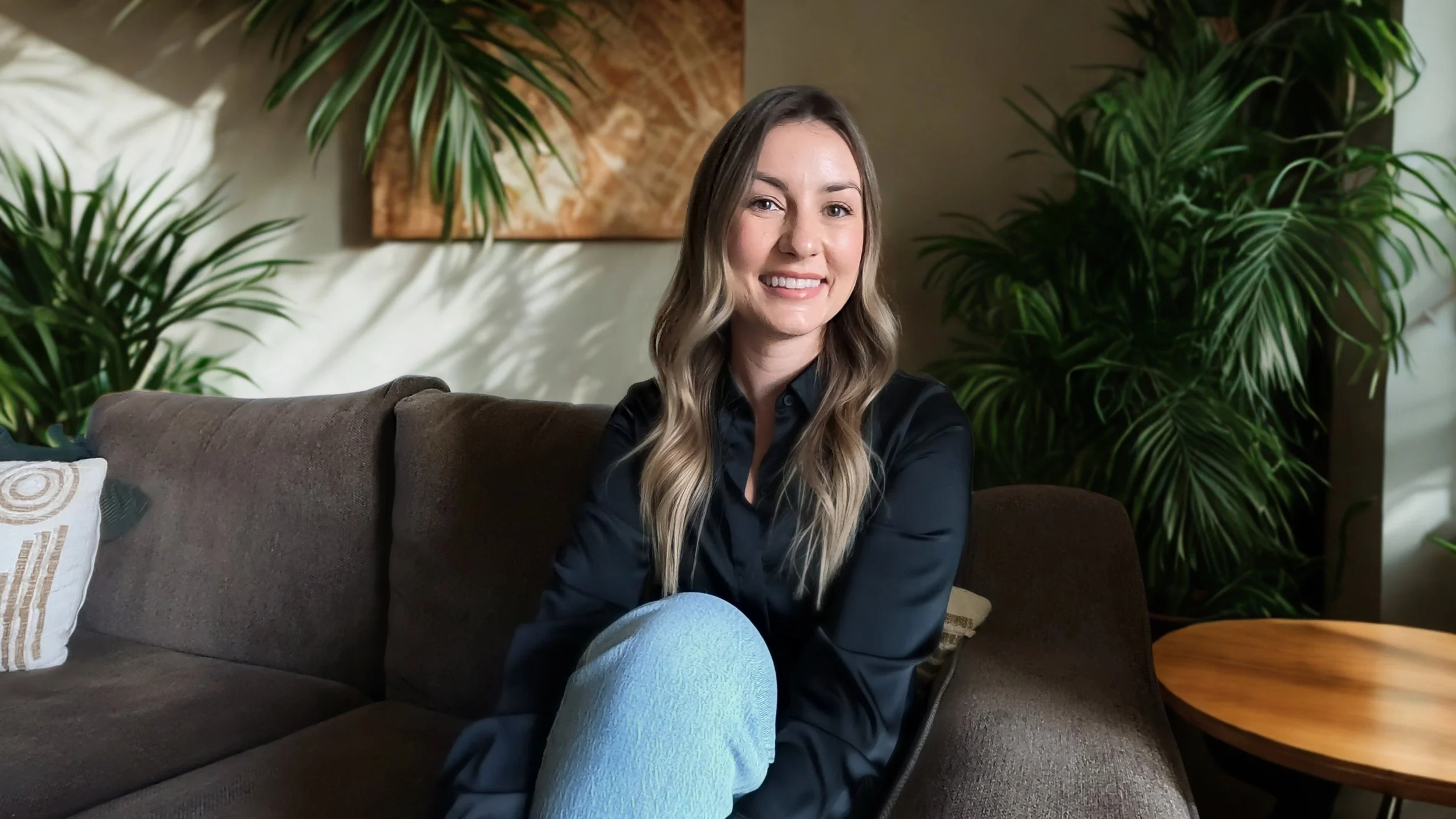
LEXI MICHAUD, AMFT, APCC. FAMILY TRAUMA THERAPIST
Lexi Michaud is an Associate Marriage and Family Therapist and Associate Professional Clinical Counselor at Holistic Trauma Therapy, offering compassionate, body-centered support to individuals navigating trauma, anxiety, and relational challenges. She works under the supervision of Seema Sharma, LMFT, bringing a warm, collaborative presence to her growing client practice.
FAQs
What are the best books for healing from complex trauma?
1
Clinician-recommended titles include The Body Keeps the Score (van der Kolk), Complex PTSD: From Surviving to Thriving (Pete Walker), No Bad Parts (Richard Schwartz), and Healing the Fragmented Selves of Trauma Survivors (Janina Fisher).
What crisis resources are available for trauma survivors in California?
2
Immediate support includes the 988 Suicide & Crisis Lifeline (call or text 988), the RAINN National Sexual Assault Hotline (800-656-4673), the National Domestic Violence Hotline (800-799-7233), and 211 for Los Angeles County services.
What is holistic trauma therapy?
3
Holistic Trauma Therapy® integrates the nervous system, mind, body, and spirit through approaches such as somatic experiencing, EMDR, IFS, and transpersonal psychology — rather than relying solely on talk therapy.
How can I contact you?
4
You can reach us by filling out this CONTACT US form.
Resources curated by Seema Sharma, SEP, LMFT, LPCC — Chief Traumatologist, licensed trauma therapist, and avid student of healing with experience in somatic, EMDR, and IFS approaches.
Holistic Trauma Therapy® serves clients in Pasadena, Los Angeles, Newport Beach, and throughout California via in-person and virtual therapy. Our trauma resource library reflects the depth-oriented, body-centered approach practiced at our Pasadena office — and is freely available to anyone navigating their healing journey, wherever they are.