"Medical trauma isn't just about illness. It's about disrupted safety and control." — James C. Jackson
Medical Trauma Therapy
UNDERSTANDING THE WOUND
You did everything you were supposed to do. You showed up. You let them run the tests, place the lines, deliver the news, do the procedure, or keep you somewhere you were not allowed to leave. And somewhere in all of it, something in you went quiet and has not fully come back. The appointment is over. The discharge papers are signed. Your body has not agreed to that yet.
“Medical trauma is not just the memory of being sick. It is the memory of losing control over your body, your choices, and your sense of safety. It is needing help while feeling captive, surrounded by people who may treat your fear as inconvenience, your pain as exaggeration, and your body as something they are entitled to manage.” — Chief Traumatologist, Seema Sharma, SEP, LMFT
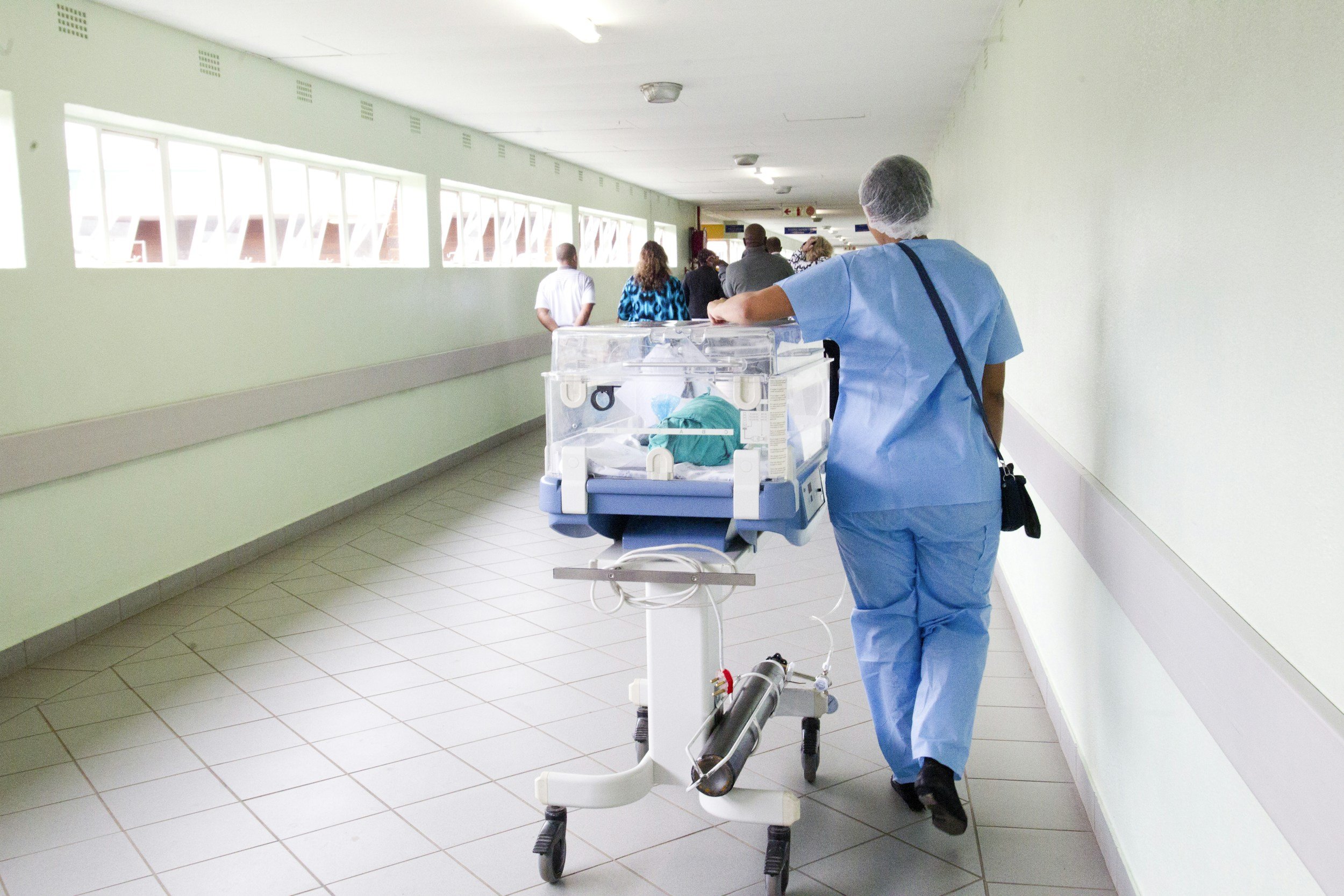
Medical trauma is what stays in the body after a medical or hospital experience that was frightening, painful, dismissive, or simply more than you could take in at the time. It does not require that anyone meant you harm. It only requires that your nervous system registered danger, helplessness, or a profound loss of control, and never had the chance to finish what it started.

RECOGNIZING THE CONDITION
When the body remembers what the room was like…
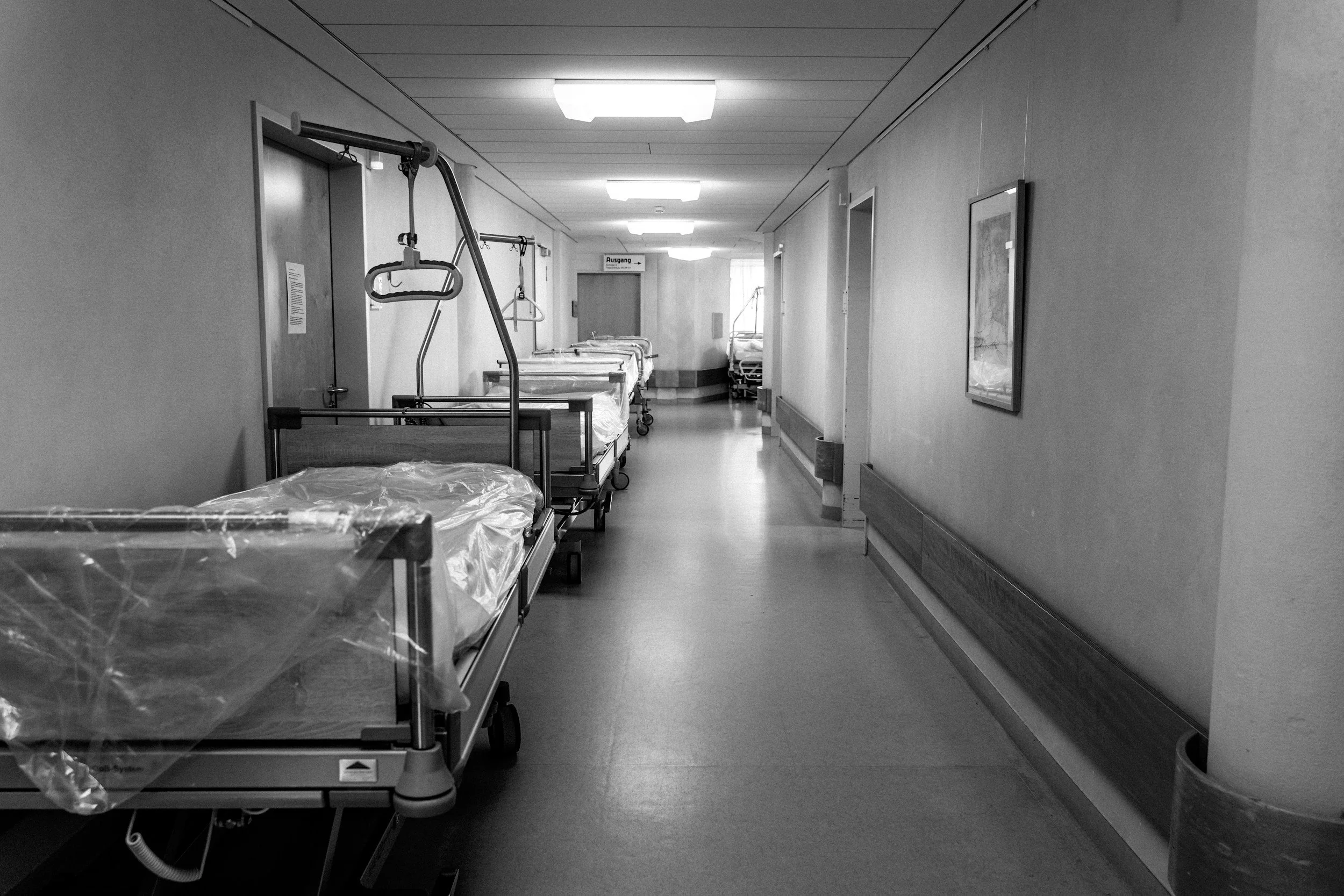
Often the people who find their way to this work are not surprised by the facts of what happened to them. They can recite the diagnosis. They know the timeline. They can explain, calmly, what was said and done. What surprises them is everything underneath. The way the chest tightens in a waiting room. The way a particular smell, or the sound of a blood pressure cuff, or the click of a locking door, drops them back into a moment they thought they had left behind.
This is the gap between what the mind knows and what the body still carries. Your mind may understand that the surgery is finished, that the scan was clear, that you survived, that you were eventually allowed to go home. Your body learned something else in that room. It learned that it could be opened, examined, frightened, restrained, or overridden, and that there was nothing it could do but endure. A nervous system does not unlearn that because the crisis has passed. It needs to be shown, slowly, that the danger is over.
Why this happens


Medical and hospital experiences ask the body to hold the particular combination of things that trauma is made of. Real fear, often about survival itself. Physical pain. The need to stay still and compliant while frightening things are done to you. And very little room to fight, to flee, or to say no. When the body cannot move and cannot escape, it does the only thing left. It braces, it disconnects, it goes somewhere else, it holds its breath and waits for it to be over.
“Medical trauma can live in the places where you are told you are being helped, while your freedom, voice, and right to choose feel suddenly out of reach. It is the terror of knowing that if you show the fullness of your fear, anger, or desperation, it may be used as evidence that you should not leave.” — Chief Traumatologist, Seema Sharma, SEP, LMFT
That response was not weakness. It was intelligence. It was the most protective thing your system could do in a situation where the usual options were taken away. The difficulty is that the bracing does not always switch off when the situation ends. The body keeps scanning for the next time it will need to brace, and a routine appointment, a follow up call, or even the act of describing a symptom can pull the whole pattern back online.
Medical trauma can grow from a single overwhelming event. It can also gather slowly, over months or years of being chronically ill, of being misdiagnosed, of being told the pain was not real, of moving through a system that treated you as a case to be managed rather than a self to be met. Both are real. Both can leave the same residue of fear, hypervigilance, and a quiet erosion of trust in your own body and in the people meant to care for it.
When you were hospitalized, especially when you were young…
For some people, the hardest part was not a procedure. It was being kept somewhere they could not leave. A psychiatric hospitalization. A treatment center. A residential program. A wilderness program. A stay that was meant to help and that, for the body, registered as something closer to confinement. This is its own kind of medical trauma, and it is rarely named as one.
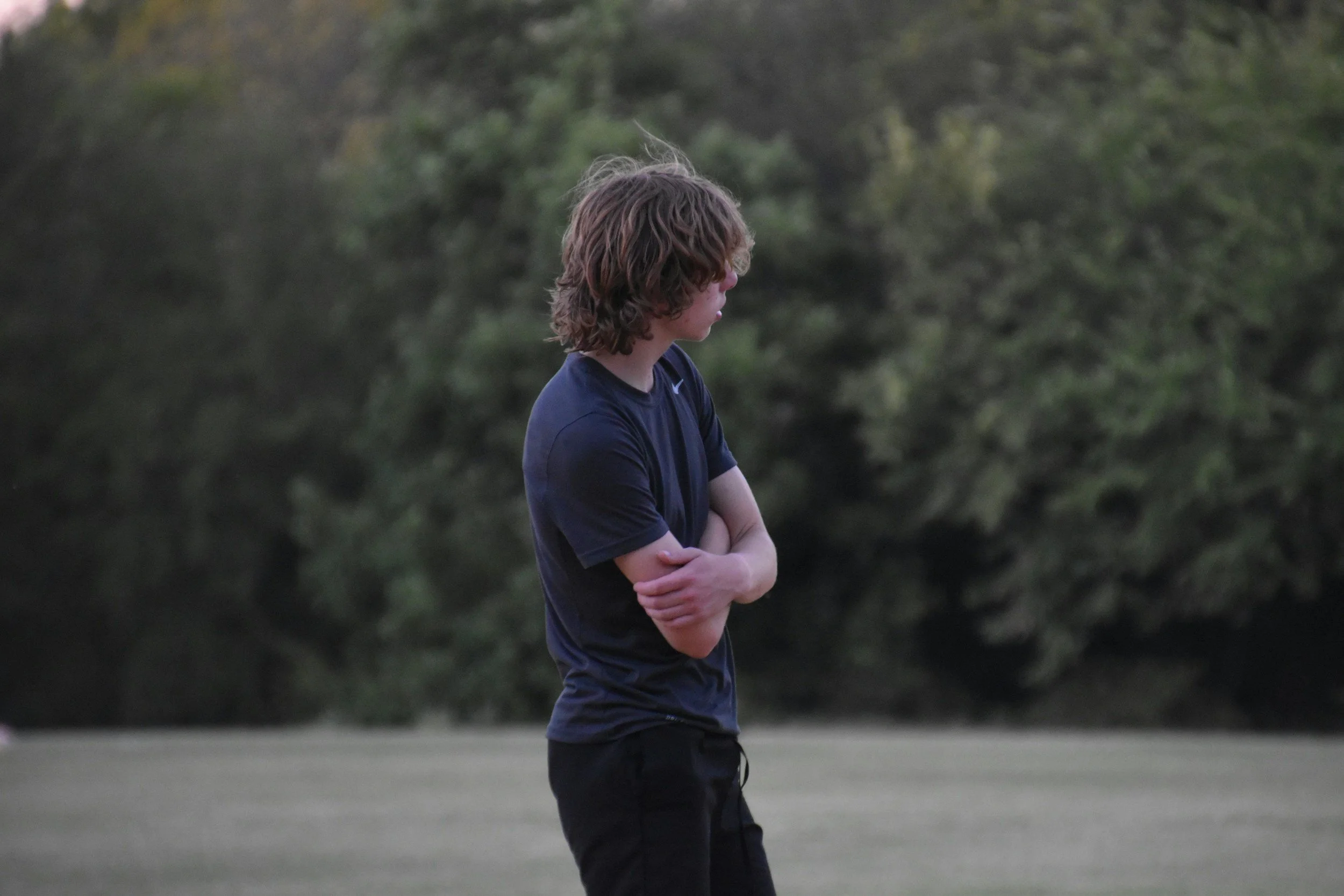
When this happens to a child or a teenager, it lands on a self that is still forming. A young person taken from home, watched, restricted, sometimes restrained, separated from the people and the comfort that made them feel real. A young person whose distress was the very reason they were sent away, and who then had to manage that distress alone, in a place that did not feel safe, often without anyone believing how frightening it was. The body learns from this. It learns that needing help can mean losing your freedom. It learns to go quiet, to comply, to perform being fine so the door will open sooner.
Many people carry that learning for decades without ever connecting it to how they move through the world now. The difficulty trusting care. The instinct to handle everything alone. The panic that rises in any setting where they cannot simply leave. The work here is to go back, gently, to the young person who endured that, and to let the body finally finish what it could not finish then.

Why this experience may have landed so deeply?
A frightening medical or hospital experience does not always create the wound. For a great many people, it reopens one. Being overridden. Having to stay silent and compliant while something frightening was done to you. Not being believed about your own pain. Losing all control over what happened to your body. For someone whose earliest years already taught those exact lessons, the medical event is not a first encounter with helplessness. It is a familiar one, arriving with new force.
This is why two people can go through a similar procedure and come out carrying it so differently. The event lands on the history that was already there. This is also why surface treatment so often falls short. The story has been told, sometimes for years, and the person still feels no different, because the work was never only about the hospital. It was about everything the hospital touched. We work at that depth. We follow the medical experience down to the older place it may be connected to, and we tend to both.

Sometimes the one carrying the trauma is not the patient. It is the partner who stood beside the bed and could do nothing. The parent who signed the forms and watched their child be taken down a hallway. The adult child who heard the news while a loved one declined. They were not the one being treated, and so no one ever named what happened to them, and they have rarely given themselves permission to call it anything at all.
The helplessness of watching is its own wound. So is the guilt that often follows it, the replaying of what might have been done differently, the hypervigilance that lingers long after the person they love is safe. This work is for them too. You do not have to have been the patient to have been changed by what you witnessed.

What this work includes..
We begin with safety, because safety is the precondition for everything else. We do not ask you to relive the worst of it on the first day, or on any day, before your body is ready. We move at the pace your nervous system can trust, in small and careful steps, with attention to what is opening and what is closing in real time.
Much of this work happens beneath words. We track what the body is doing as a memory comes near, the breath that catches, the shoulders that rise, the hands that go cold, and we work with the body directly rather than only talking about it. We draw on somatic approaches that help a nervous system complete what it could not complete then, on parts work that meets the younger self who endured it, and on focused trauma processing where and when it serves you. The approach follows you. You do not have to fit a method.
And we hold the deeper layer. We stay curious about why this experience landed the way it did, what older place in you it may be connected to, and what it has been asking you to finally turn toward. Healing here is not the removal of what happened. It is the slow return of trust, in your body, in care, and in your own right to feel safe again.
THE HOLISTIC DIFFERENCE
What Makes Holistic Trauma Therapy® Different?
Many practices treat a medical experience as a single event to be processed and closed. We do that work, and we go further. We understand that for many people a frightening procedure or a confined hospitalization is woven into a longer story, and that lasting healing means tending the whole of it rather than the surface alone. We hold both the patient and the people who witnessed it. We name the experiences, like behavioral health hospitalization and residential stays, that are too often left unspoken. And we do all of it at depth, at the pace your body trusts, in a relationship that does not rush you.
Who is this Work for…

This work may be for you if a medical or hospital experience left something behind that has not lifted on its own. If you brace before appointments, avoid the care you need, or feel a fear you cannot fully explain in clinical settings. If you were chronically ill, misdiagnosed, or not believed, and carry the weariness of that. If you were hospitalized or sent away when you were young and have never quite put it down. Or if you stood beside someone you love through something frightening and were quietly changed by it. You do not need to know where it all connects. That is part of what the work is for.
What you may begin to experience…
People do this work at their own pace, and no two paths look alike. Over time, many begin to notice that appointments feel less like something to survive. That the body settles more quickly, or braces less, in settings that once felt dangerous. That they can think about what happened without being pulled back into it. That trust, in their own body and in the people who care for it, slowly becomes possible again. We do not promise a destination. We hold the conditions, the depth, and the time that healing asks for.
Medical Trauma Therapy in Pasadena, Newport Beach, and across California
Holistic Trauma Therapy® offers medical trauma therapy in person in Pasadena and Newport Beach, serving the surrounding San Gabriel Valley including South Pasadena, San Marino, Altadena, and the greater Los Angeles area, and online to clients throughout California. Wherever you begin, the work is the same. A steady, unhurried space to set down what you have been carrying alone.
Frequently Asked Questions
-
Medical trauma is the lasting nervous system response that can follow a frightening, painful, or overwhelming medical or hospital experience. It can come from a single event, such as a surgery, a diagnosis, an emergency, or a hospitalization, or it can build over time through chronic illness, misdiagnosis, or being treated as a case rather than a person. It often shows up as fear, avoidance, hypervigilance, or a loss of trust in one's own body.
-
Yes. Being hospitalized or placed in a treatment center, residential program, or psychiatric setting can be deeply frightening for a young person, especially when it meant being separated from home and unable to leave. Because it happens to a self that is still forming, it can shape how a person trusts care, handles distress, and feels safe for many years afterward, often without their realizing the connection.
-
Because the body holds what the mind has already made sense of. You can know, intellectually, that you are safe now and still carry the fear in your nervous system, where understanding alone cannot reach it. This is why talking about a medical experience, sometimes for years, can leave the feeling untouched. The work reaches the place beneath words, where the experience is actually stored.
-
Yes. The people who witness a frightening medical experience, the partners, parents, and family members who stood by and could do nothing, can carry their own helplessness, guilt, and hypervigilance long afterward. This work is for them too. You do not have to have been the patient to have been changed by what you saw.
-
You can reach out to schedule a consultation whenever you feel ready. There is no need to arrive with the whole story or to know where it all connects. We begin wherever you are, and we move at a pace your body can trust.